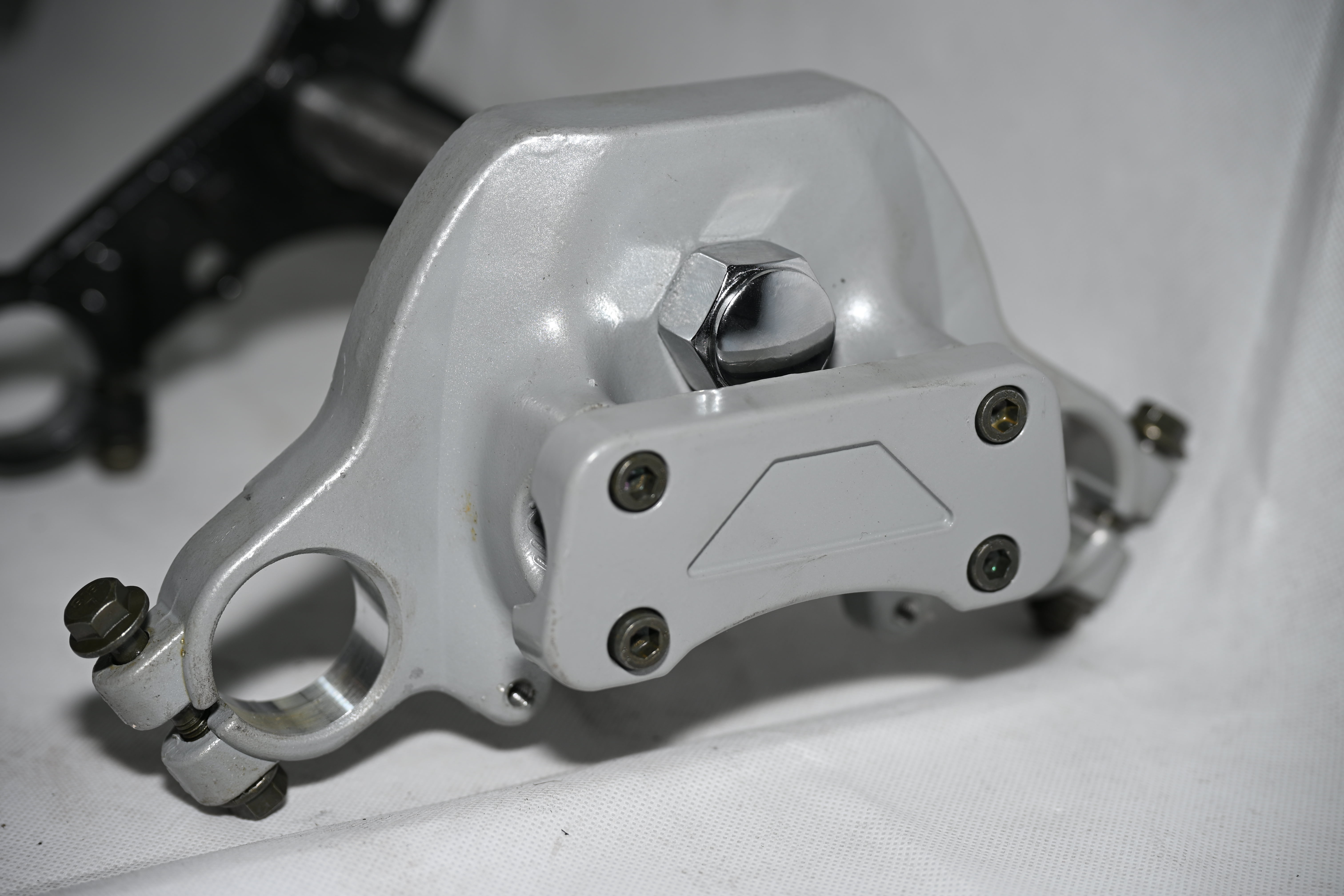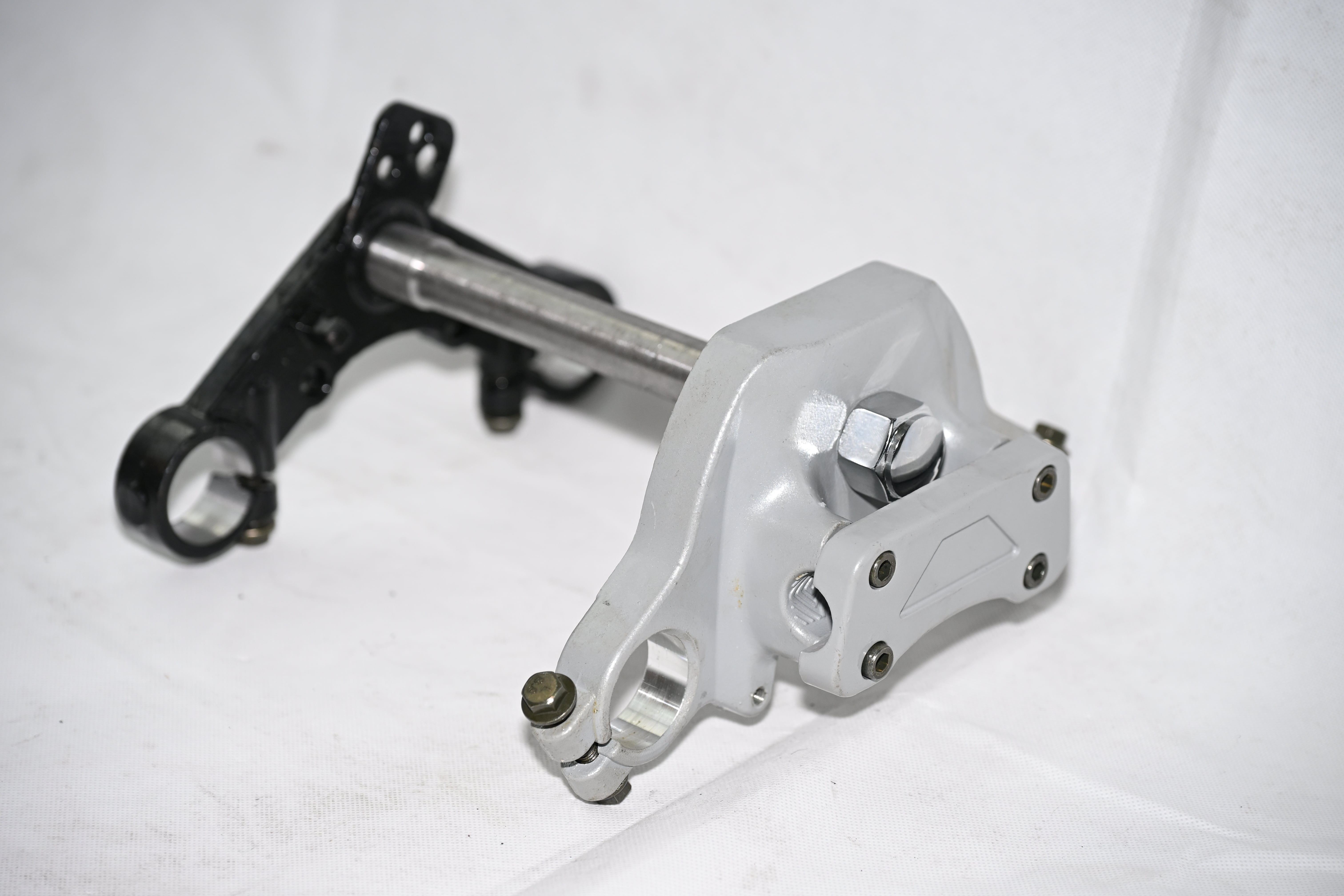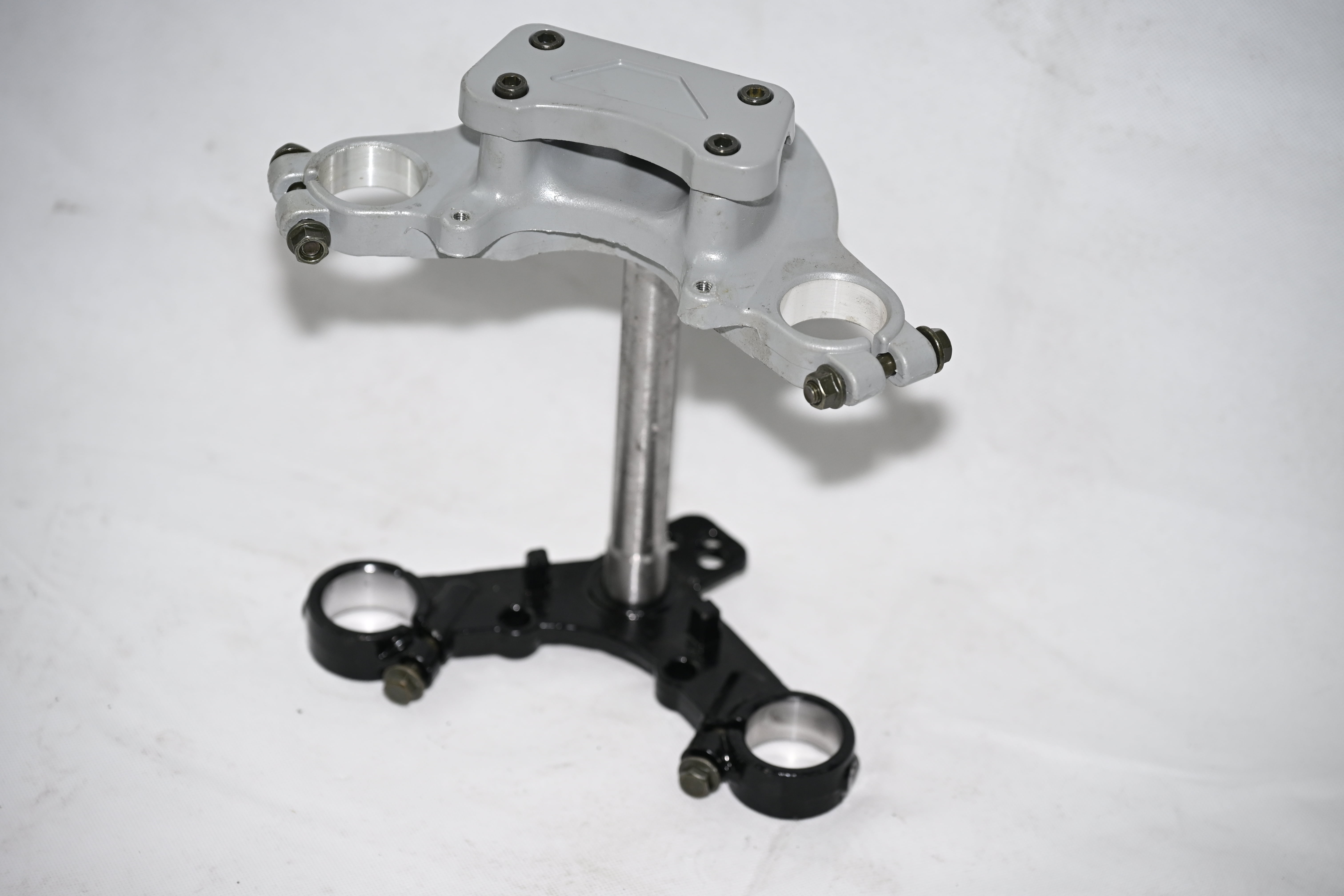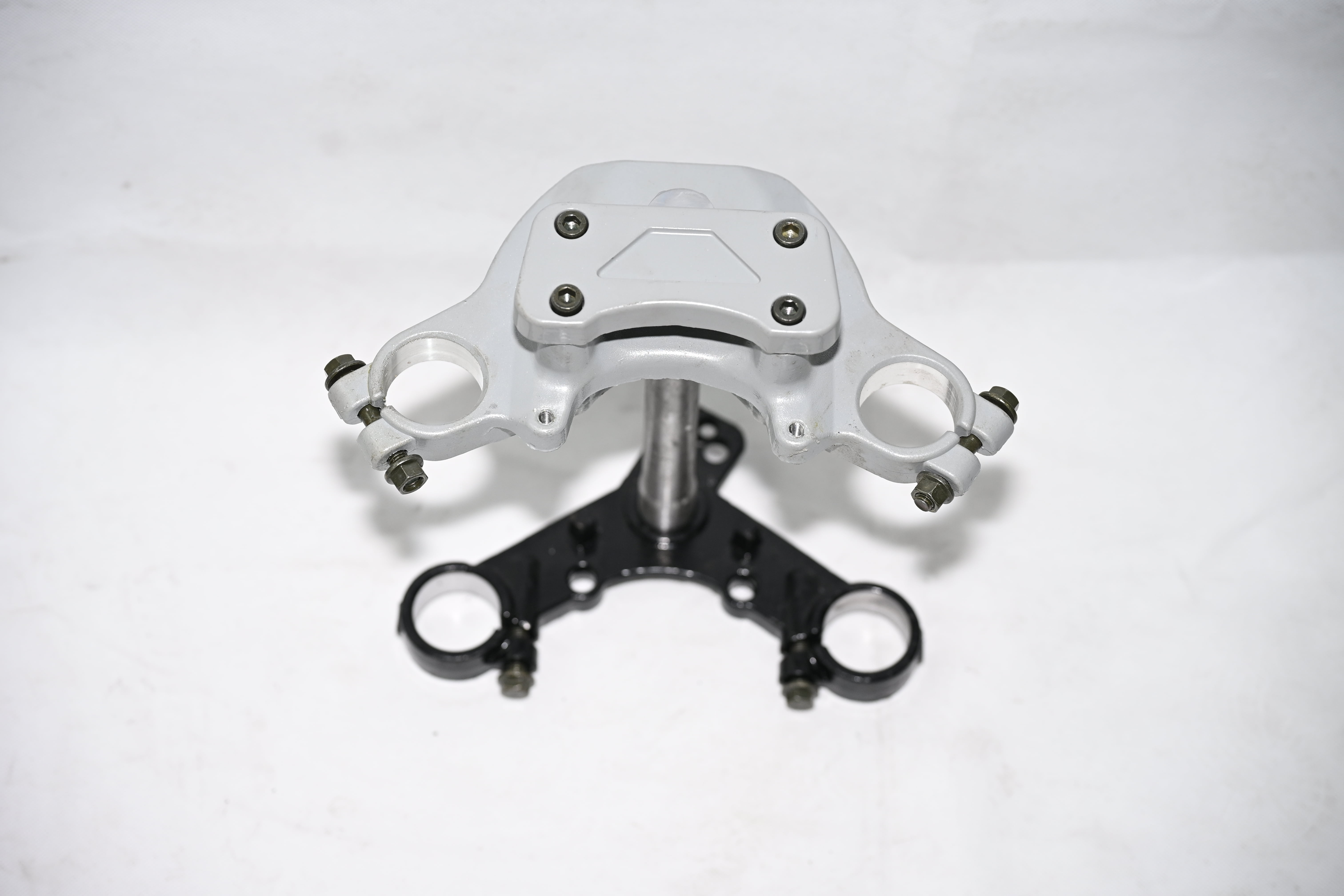
After years of experience in the three-wheeler accessories industry, I have noticed that many buyers - whether it's a repair shop owner or a fleet manager - are struggling with the replacement of the three-wheeler fork clamp. Either the operation is too hasty causing the clamp to loosen, or they simply don't know when to replace it when it has worn out. As a reliable supplier, Ming Diamond not only sells high-quality three-wheeler fork clamps but also provides practical and easy-to-understand tutorials to help you do the job well. Today, I will break down the entire knowledge of replacing the three-wheeler fork clamp, from identifying wear signs to professional installation of the new clamp, step by step.
I. When should the three-wheeler fork clamp be replaced?
A faulty fork clamp is no small trouble, especially when the three-wheeler is carrying heavy loads, which can cause unstable steering and even lead to safety accidents. If any of the following signals appear, it means it's time to replace the fork clamp:
1.1 Warning signs of wear
1. Observe visible cracks or deformations on the clamp body: Even if the main body of the clamp has a small crack, it will expand under pressure and eventually lead to the failure of the clamp. It is necessary to regularly inspect the outer surface and inner lining of the clamp.
2. Still loose after tightening: If you repeatedly tighten the clamp bolt but it still slips on the fork tube, it is likely that the anti-slip inner lining of the clamp has been worn out.
3. Rust or corrosion: When the steel clamp surface rusts, it will gradually erode the internal structure, and severely corroded clamps may suddenly break during use.
4. Damaged bolts: If the bolts slip or break, the clamp cannot be fixed firmly. This situation requires replacing the entire clamp instead of just the bolts to avoid leaving safety hazards.
Tips: For fleet managers, it is recommended to check the clamp every 3 months or every 500 working hours - whichever comes first.
II. Tools needed for replacement
Replacing the three-wheeler fork clamp doesn't require complex special tools. Just prepare these items:
· A standard wrench (size determined by the clamp bolt, most of Ming Diamond's clamps use 14mm or 17mm wrenches)
· A steel wire brush (used to clean the dirt and rust on the fork tube surface)
· Anti-rust oil (to protect the new clamp and fork tube from rusting)
· A clean cloth (to wipe the fork tube and clamp)
Optional tools: A pair of gloves to avoid getting your hands dirty or scratched.
III. Step-by-step replacement process
Replacing the three-wheeler fork clamp is a simple DIY job that can be done in 15 minutes:
3.1 Step 1: Remove the old clamp
1. Park the three-wheeler on a flat and stable surface, apply the brake to prevent it from sliding.
2. Find the fixing bolts on the old fork clamp and loosen them counterclockwise with a wrench until they are completely removed.
3. Separate the two halves of the clamp and slide it off the fork tube. If the clamp is stuck due to rust, drip a little anti-rust oil and try to remove it again after 5 minutes.
3.2 Step 2: Clean the fork tube
1. Use a steel wire brush to thoroughly clean the area where the new clamp will be installed, removing dirt, rust and debris. A clean surface is necessary for the clamp to be installed firmly.
2. Wipe the remaining dust on the fork tube with a clean cloth. To make the fork tube more durable, you can apply a thin layer of anti-rust oil on the surface and then wipe off the excess oil.
3.3 Step 3: Install the new clamp
1. Remove the new Ming Diamond three-wheeler front fork clamp, separate the two halves,and place them on the appropriate position of the fork tube (generally 5-10 centimeters above the wheel axle).
2. Align the bolt holes of the two halves of the clamp, insert the bolts,and tighten them clockwise with a wrench until the clamp is tightly against the fork tube - don't tighten too hard,otherwise it may damage the fork tube or the clamp.
3. Gently shake the front fork to test its stability. If the clamp does not loosen, it is installed in place; if it still slips, tighten the bolts a little more.
IV. Replacement Accessories for the Front Fork Clamp of Mingzhu
Mingzhu is aware that sometimes people don't need to replace the entire clamp, they might just be lacking a bolt or a washer. Therefore, we have prepared a complete series of three-wheeler front fork clamp accessories to help your business operate smoothly.
4.1 Stock Supply of Bolts, Washers and Complete Replacement Clamps

Our replacement parts and complete fixtures are made of the same high-quality materials, ensuring perfect fit and long-lasting durability. Additionally, we offer global fast shipping, and most orders can be delivered within 7 to 15 working days.
Conclusion
Replacing the front fork clamp of a tricycle really doesn't need to be a headache. As long as the tools are in place and the method is correct, and with the high-quality replacement clamps from Mingzhu, your tricycle can safely and quickly return to the road.
Whether you are a small repair shop or a fleet manager, we can meet your needs - from complete clamps to individual replacement parts, everything is available. If you don't know which part to choose to fit your tricycle, our professional team will be happy to answer your questions for you.
Contact us immediately to get a free quote for replacement parts or clamps. Let Mingzhu become your preferred supplier for tricycle parts!